QRLynx Blog
QR Code Guides, Tips & Best Practices


Accessible QR codes: labels, text links, and alternatives to scanning
Make QR-linked information reachable without scanning. Use clear labels, working text links, practical fallback routes, and destination checks.
Read More
How to add a QR code to Gmail and Outlook email signatures
Add a QRLynx contact-card QR to Gmail or Outlook with a clickable fallback, then check incoming messages, image blocking, and phone access.
Read More
QR campaign UTM naming: a placement-by-placement template
Name QR campaign links consistently with a copyable placement worksheet, UTM examples, and a QRLynx workflow that keeps campaign reports understandable.
Read More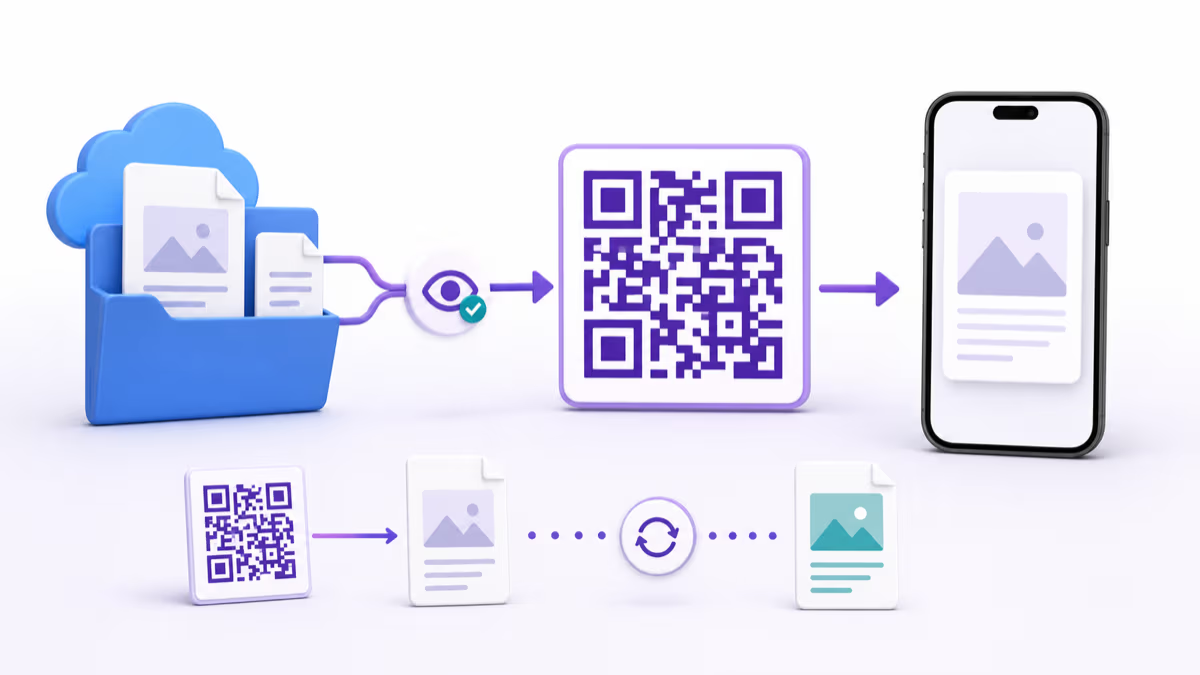
How to Make a QR Code for a Dropbox File or Folder
Create a Dropbox QR code in QRLynx for a file or folder. Compare the native QR, static and dynamic links, access, testing, and scan analytics.
Read More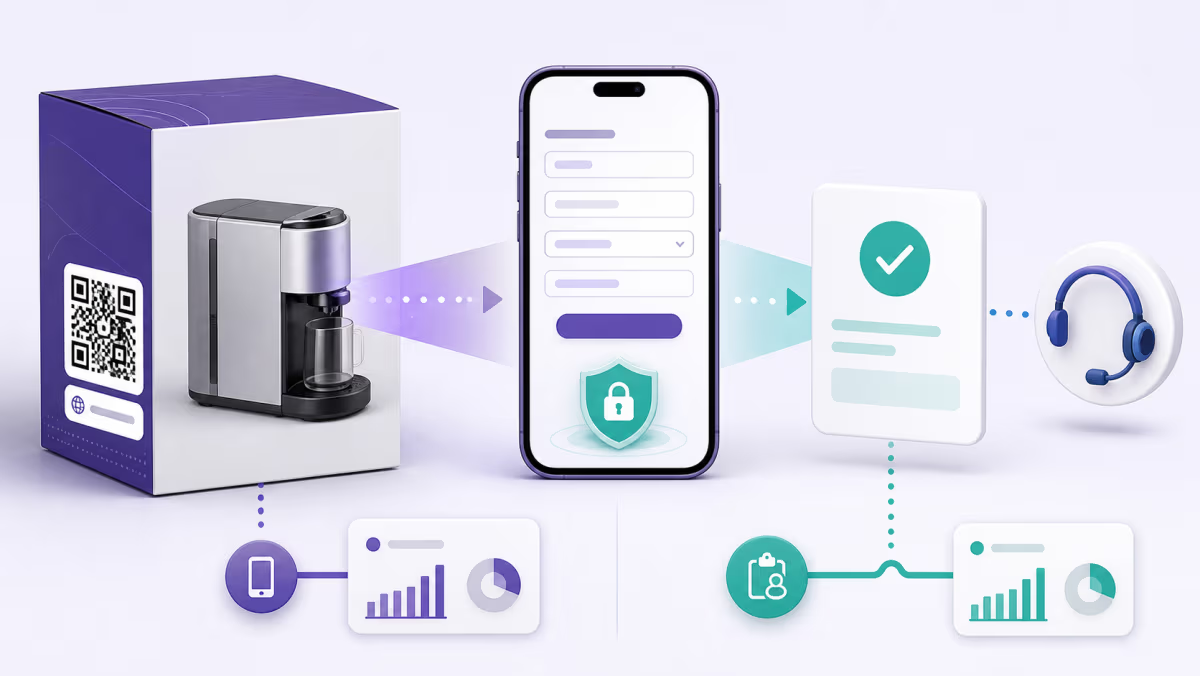
How to Create a Warranty Registration QR Code Customers Can Trust
Create a warranty registration QR code with clear coverage language, minimal data collection, model and receipt handling, accessible fallbacks, and QRLynx.
Read More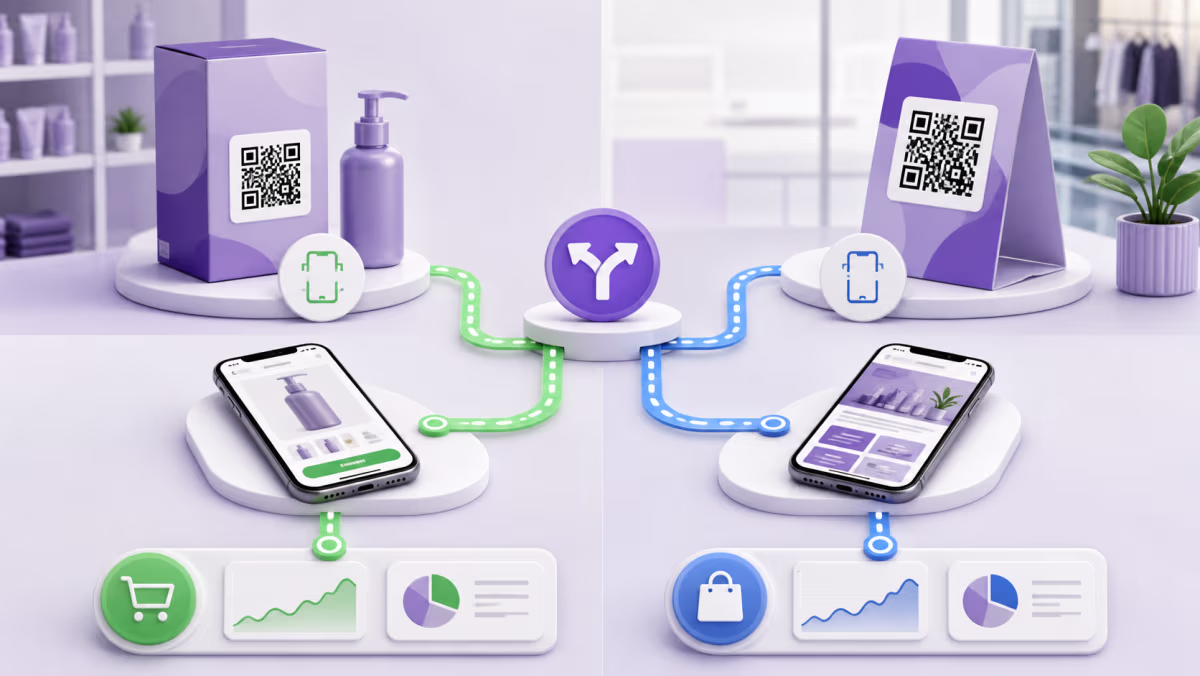
How to Create a Shopify QR Code for Products, Checkout, and Repeat Sales
Create a Shopify product QR code, choose product or checkout delivery, apply variants and discounts, compare Shopcodes with QRLynx, and test conversion.
Read More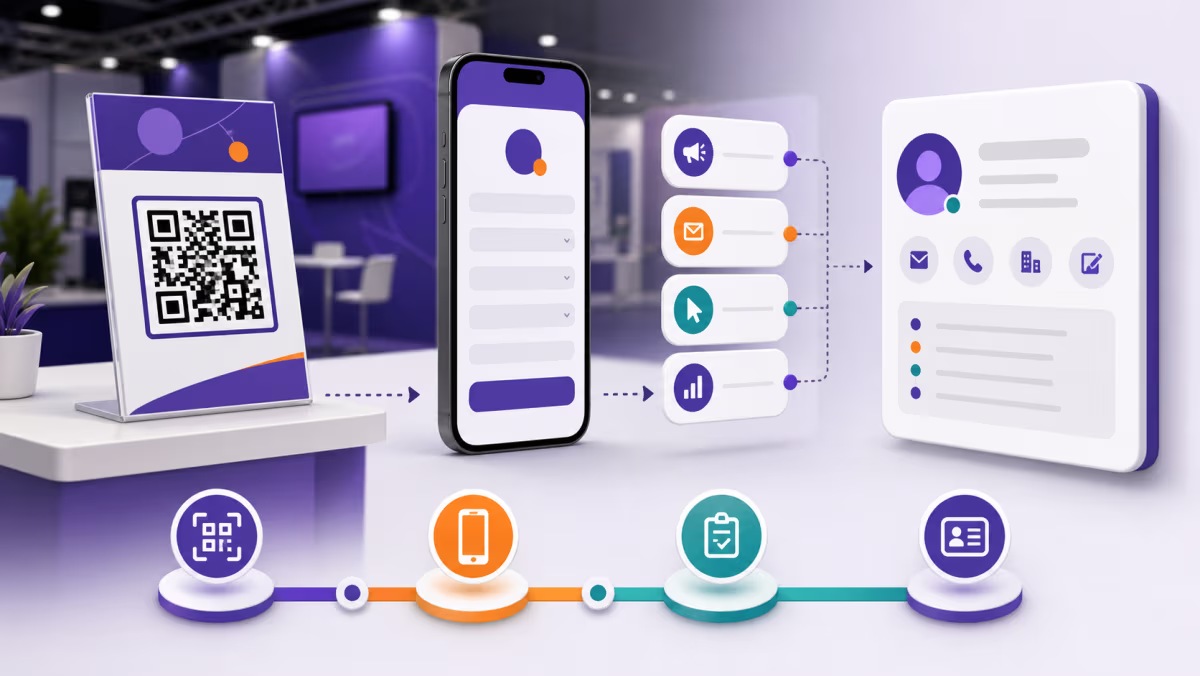
How to Create a HubSpot QR Code for Forms, Campaigns, and Offline Leads
Create a HubSpot form QR code, choose a standalone or embedded route, preserve campaign tracking, test contact creation, and measure offline conversion.
Read More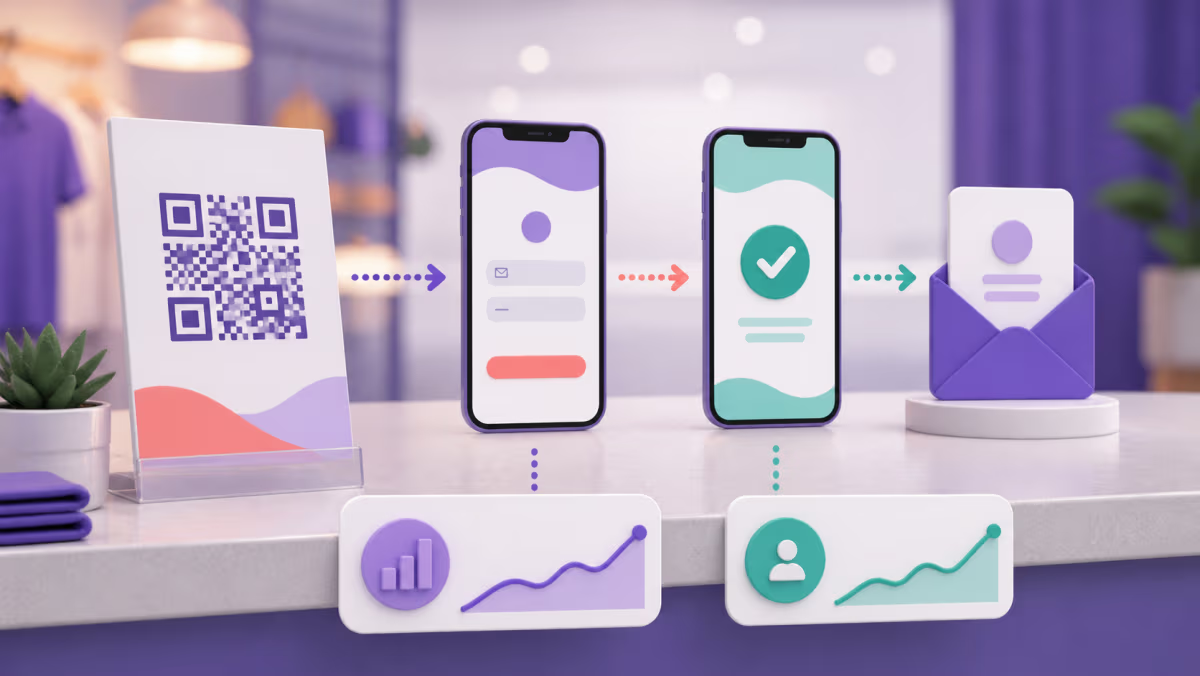
How to Create a Mailchimp Signup Form QR Code That Converts Offline Interest
Create a Mailchimp signup form QR code, choose the right form, set consent and opt-in, prevent bot signups, track placements, and test every step.
Read More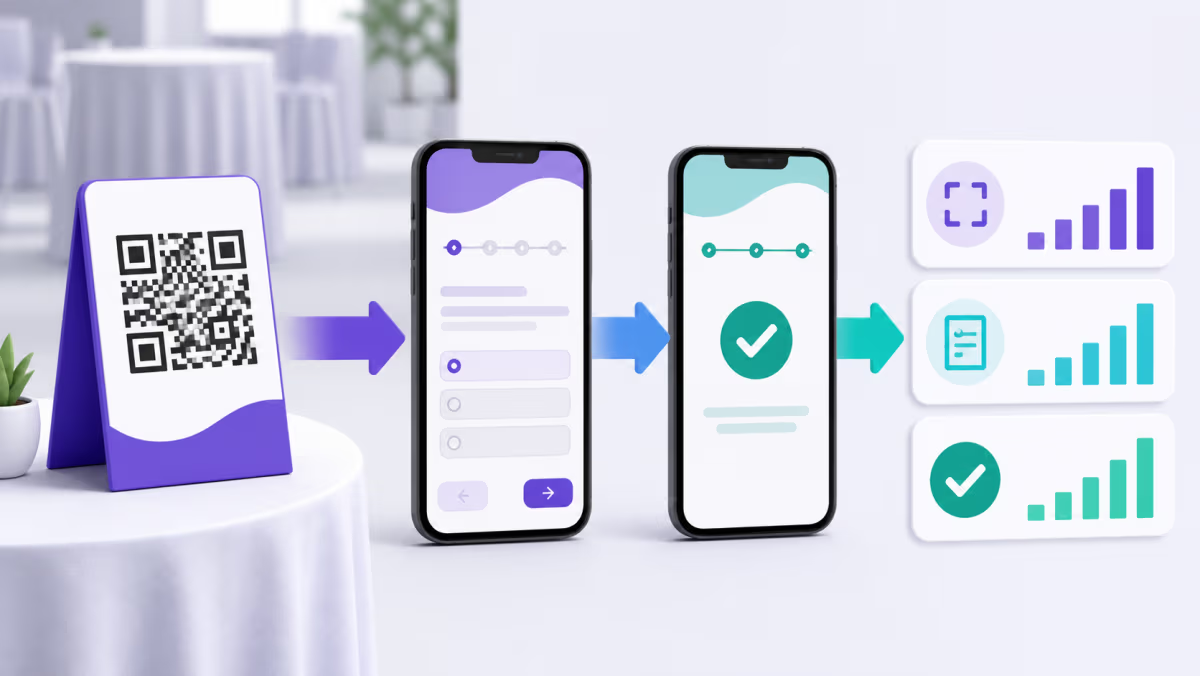
How to Create a SurveyMonkey QR Code and Measure Each Survey Placement
Create a SurveyMonkey QR code, choose the right collector, protect anonymity, separate placements, test collector limits, and compare scans with responses.
Read More