QRLynx Blog
QR Code Guides, Tips & Best Practices
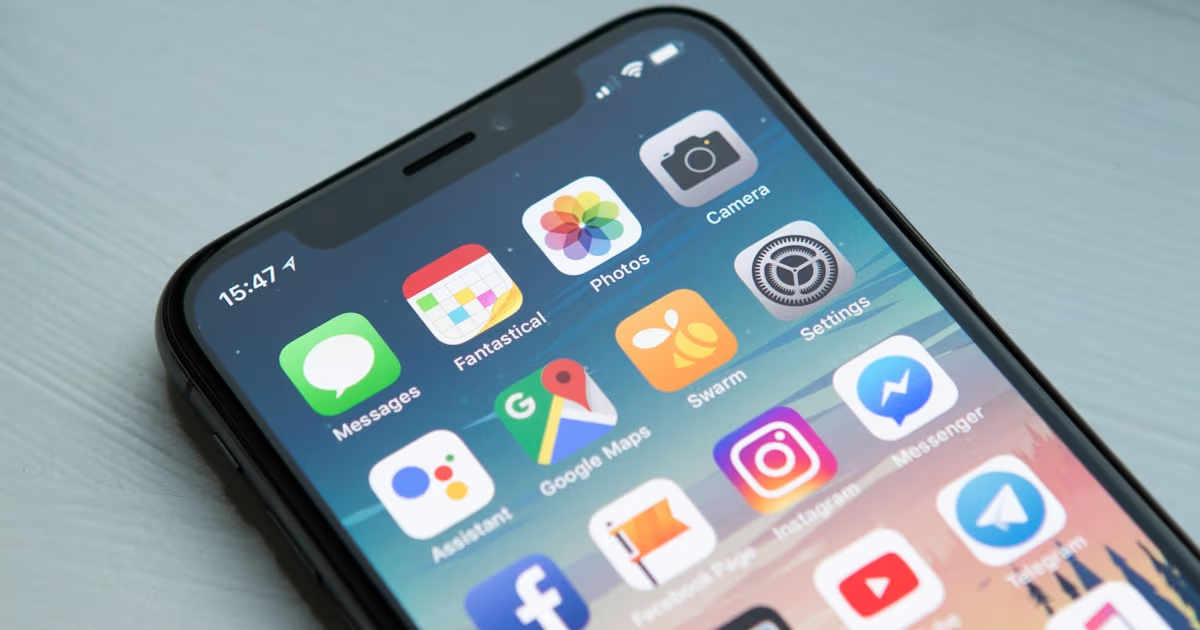

How to Scan a QR Code on iPhone, Android, or Computer
Scan a physical QR code or one saved as a screenshot on iPhone, Android, Samsung Galaxy, or computer. Includes safety checks and QRLynx scanner steps.
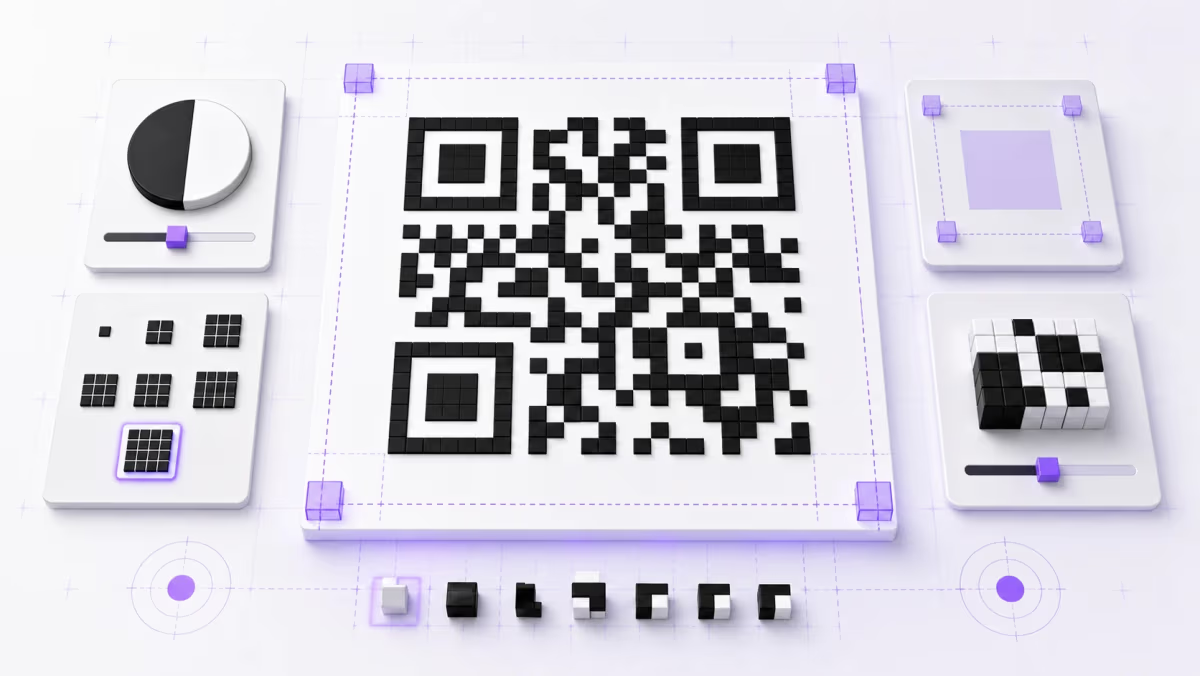
QR Code Quiet Zone: 4-Module Margin and Design Rules
Learn how to measure a QR code's four-module quiet zone, choose colors, size modules, place a logo, export clean artwork, and test the final design.
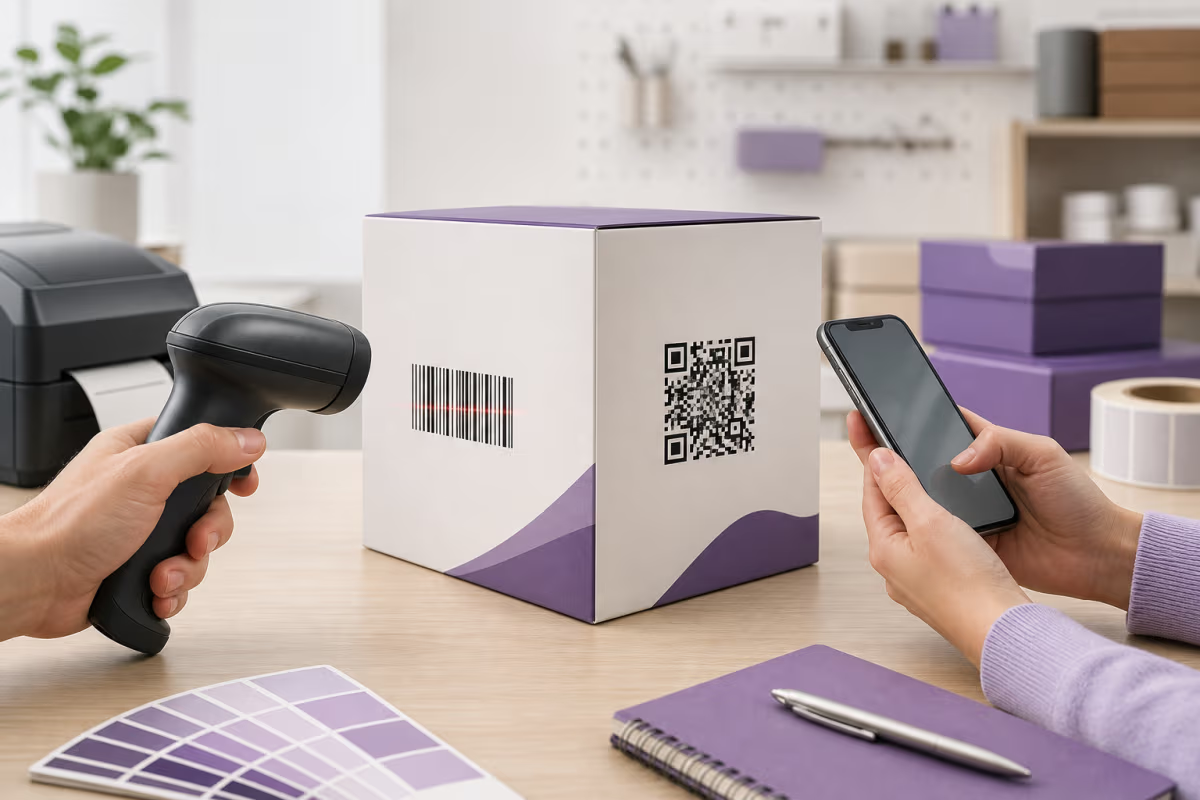
QR Code vs Barcode: Key Differences Explained
Compare QR Codes with 1D barcodes by capacity, scanning, error correction, phone use, web links, and GS1 retail requirements before choosing a carrier.
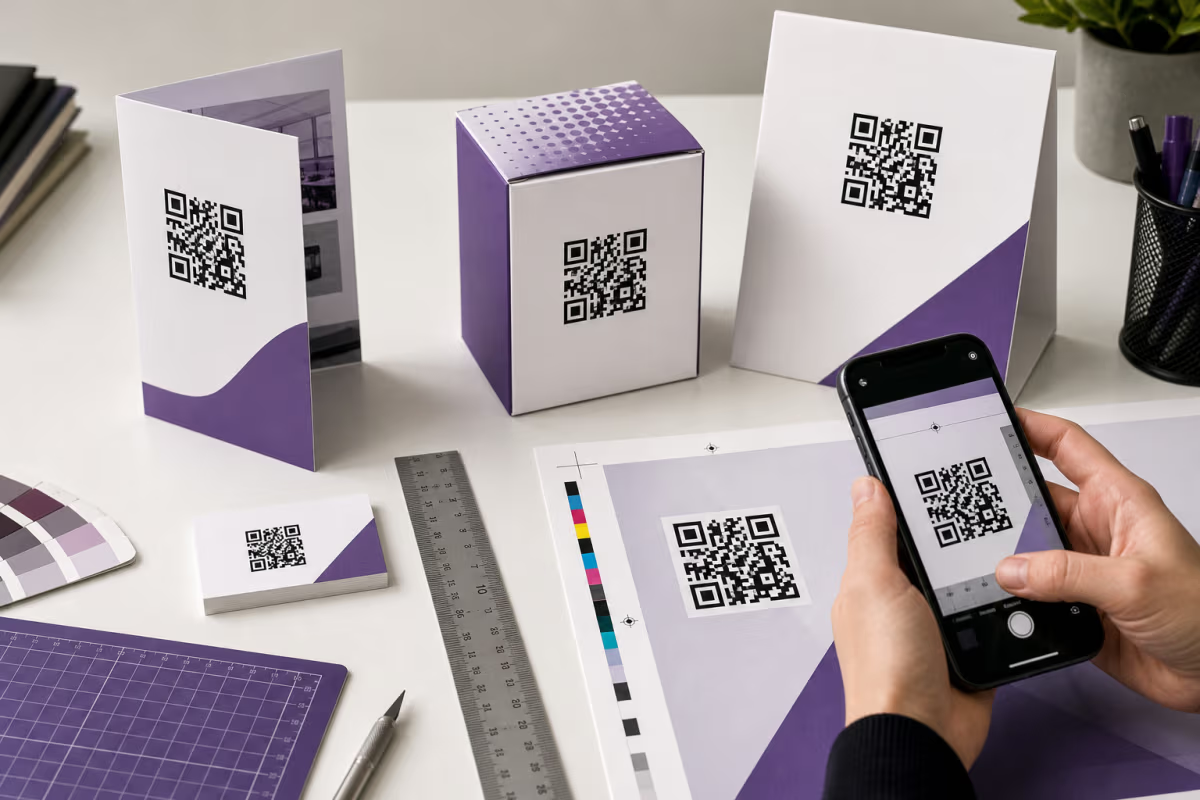
QR Code Print Size: Calculate and Test It in QRLynx
Calculate QR code print size from modules, printer DPI, and quiet zone. Then test the final QRLynx QR on its real material, at its real scan distance.

Static vs Dynamic QR Codes: What's the Difference?
Static vs dynamic QR codes explained: how they work, when to use each, and which is better for business. Full comparison with real-world use cases.
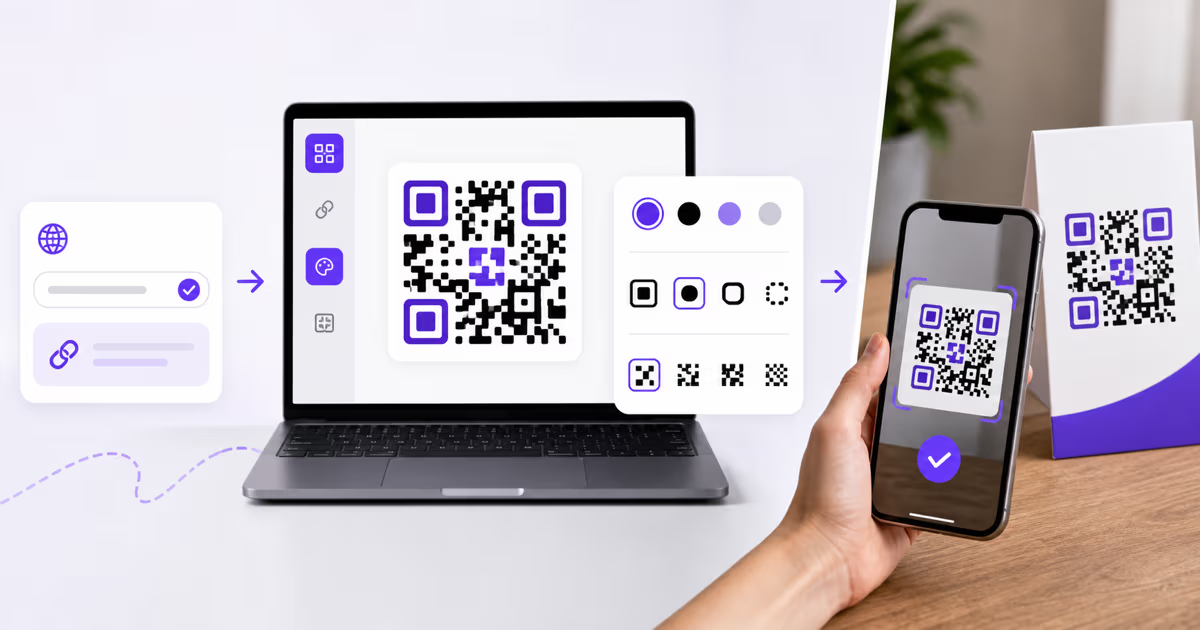
How to Create a QR Code with QRLynx: Step-by-Step Guide
Create a QR code in QRLynx from the right payload. Choose static or dynamic, design it for scanning, download the correct format, and test the result.
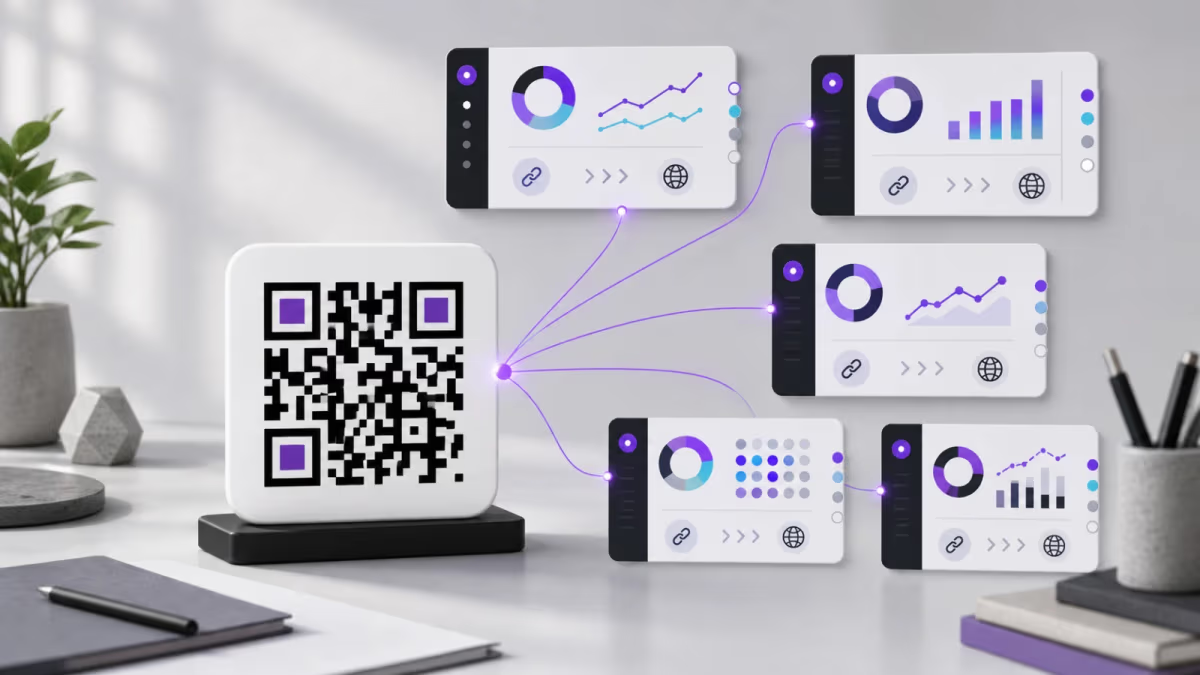
Best Dynamic QR Code Generators in 2026: Plans and Limits Compared
Compare dynamic QR generators by free dynamic access, paid capacity, analytics, destination editing, and post-trial code status.

QR Code Security Guide: Quishing, Safer Scanning, and QRLynx Controls
Learn how QR phishing works, how to inspect a code before opening it, and how QRLynx URL checks, passwords, consent, expiry, and scan controls fit together.

Best QR Code Generator for Marketing in 2026: 10 Tools Compared
Compare 10 QR code generators for marketing attribution, editable destinations, analytics, leads, teams, bulk creation, API access, and brand control.